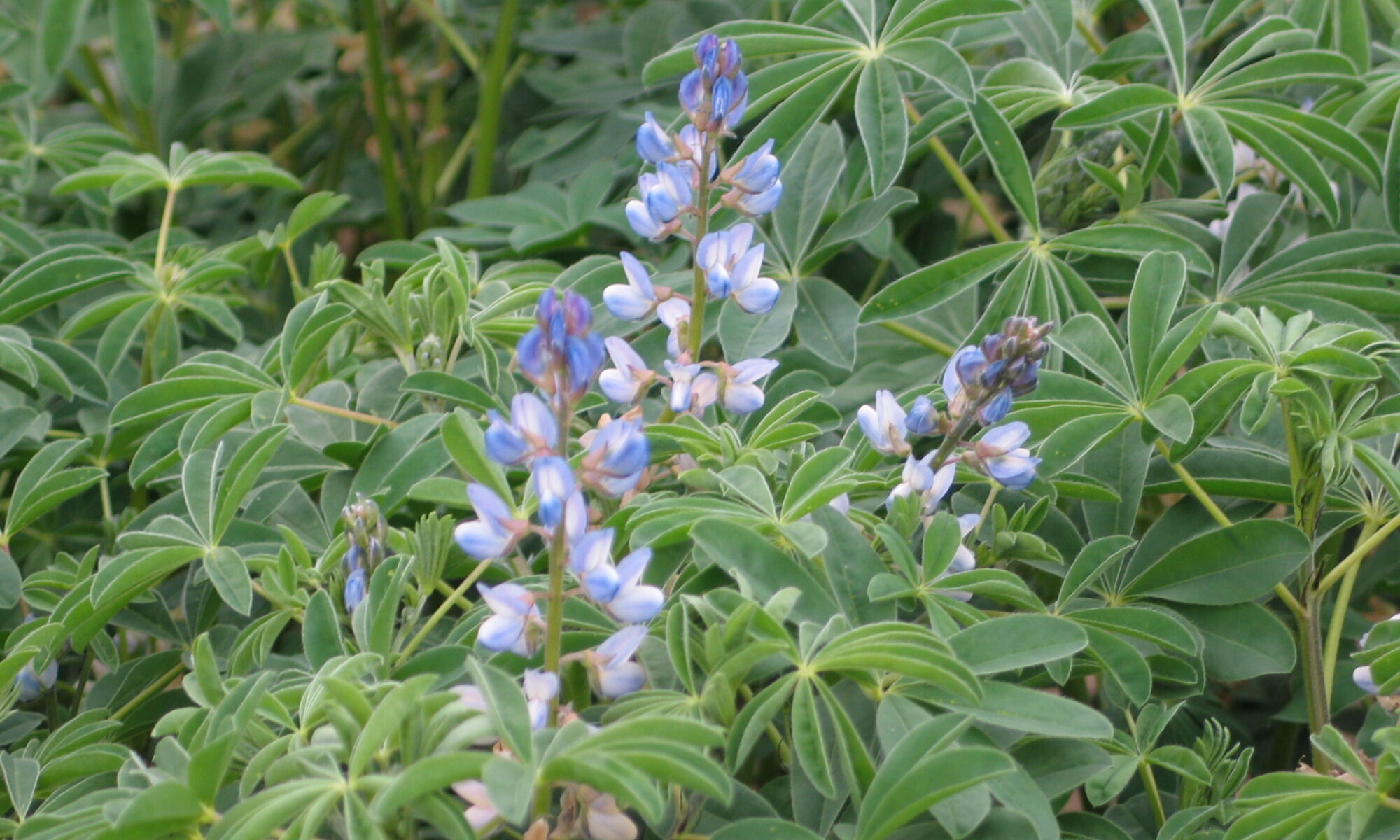

ILS is going to host a set of monthly free webinars on topics related to legumes cultivation and improvement starting.
The webinars are hosted by Nelson Nazzicari using Microsoft Teams platform made available by CREA (Italian Council for Agricultural Research and Analysis of Agricultural Economics). The organization of the webinars is also made possible thanks to dr.
Rouvay Roodt-Wilding.
First webinar, 8 October, 2025, 2pm CEST (UTC+2)

Fanjiang Kong (School of Life Sciences
Guangzhou University)
Genetic and molecular basis underlying soybean photoperiod flowering and architecture
Photoperiod sensitivity is crucial for soybean flowering, adaptation, and yield. In soybean, photoperiod sensitivity centers around the evening complex (EC) that regulates the transcriptional level of the core transcription factor E1, thereby regulating flowering. Our study identifies how E2/GIGANTEA (GI) and its homologs modulate photoperiod sensitivity through interactions with the EC to form a photoperiod regulatory loop, maintaining sensitivity to photoperiod. Disruption of this loop leads to losing sensitivity, affecting soybean’s adaptability and yield. Understanding this loop’s dynamics is vital for molecular breeding to reduce soybean’s photoperiod sensitivity and develop cultivars with better adaptability and higher yields, potentially leading to the creation of photoperiod-insensitive varieties for broader agricultural applications.
Second webinar, 12 November 2025, 2pm CET (UTC+1)
Fatma Boukid, (ClonBio Group Ltd., Ireland)
Pulses as a Sustainable Protein Source
Pulse proteins are increasingly recognized as key components of sustainable and nutritious food systems. Derived from legumes such as lentils, peas, chickpeas, and beans, they provide high-quality plant-based protein along with fiber, minerals, and bioactive compounds. Their unique structural and functional properties enable wide applications in food innovation, from meat and dairy alternatives to fortified products. This presentation will explore the composition, structure, and nutritional quality of pulse proteins, as well as advances in their extraction and modification. Emphasis will be placed on their technological potential, health relevance, and contribution to sustainable food systems. Understanding these aspects is essential to harness the full value of pulse proteins and to drive innovation in future food development.
You can find the slides from the presentation at the following link:
Special session: young researchers, 10 December 2025, 2pm CET (UTC+1)
This special session will feature flash presentations by three junior scientists showcasing their research.

Julia Escudero Feliu, postdoctoral researcher at the Spanish National Research Council (CSIC) and University Professor at the European University of Valencia (UEV), Department of Basic Sciences.
Exploring lupin-derived nutraceutical proteins as a novel preventive and therapeutic strategy against inflammatory-related diseases

Gaetano Giudice, postodoctoral fellow at Department of Soil, Plant and Food Sciences, University of Bari AldoMoro, Bari, Italy
Field resistance to Orobanche crenata in pea (Pisum sativum L.): beyond strigolactones

Rafael Duarte, PhD student in Biotechnology and a researcher at CBQF – Catholic University of Portugal
Beyond protein: The multifunctional provisions of legume non-nutritionals for One Health
Third webinar, 7 January, 2026, 11 am CET (UTC +1)
NOTE THAT THE TIME IS DIFFERENT FROM THE USUAL
Bernadette Julier (INRAE, France)
Incorporating molecular markers in lucerne breeding
High-throughput molecular markers emerged in lucerne genetics around 10 years ago. Several studies have been published showing promising results in the analysis of genetic resources, allele mining, association genetics and genomic prediction. However, implementation in breeding programmes is still lagging behind. This talk will suggest ways to incorporate molecular markers into commercial breeding programmes to accelerate genetic progress.
Fourth webinar, 4 February, 2026, 12:00 CET (UTC+1)
Note that the time is different from the usual!

Sukhjiwan Kaur (Agriculture Victoria Research, Department of Environment, Energy & Climate Action – DEECA)
From less than 1K to 1.5M tonnes: The Rise of the Australian Lentil Industry
Join this webinar to explore the remarkable rise of the Australian lentil industry and the integrated strategies that powered its success. The talk will highlight how advances in agronomy and pathology, global germplasm exchange, and the adoption of modern breeding tools i.e. molecular markers, genomic selection, phenomics, computational breeding collectively transformed lentil productivity, resilience, and global competitiveness.
Fifth webinar, 11 March 2026, 2pm CET (UTC+1)

Ken Giller (Emeritus Professor Plant Production Systems at Wageningen University)
The legacy of N2Africa: Putting Nitrogen Fixation to Work for Smallholder Farmers in Africa
The project “Putting Nitrogen Fixation to Work for Smallholder Farmers in Africa” (N2Africa – www.n2africa.org) focused on increasing the production of grain legumes and the inputs from N2-fixation. The project, led by Wageningen University and the International Institute for Tropical Agriculture (IITA), worked for over a decade from 2009-2019 with many partners in eleven countries; the Democratic Republic of Congo, Ethiopia, Ghana, Kenya, Malawi, Mozambique, Nigeria, Rwanda, Uganda, Tanzania and Zimbabwe. N2Africa was designed around a central hypothesis that N2-fixation by legumes, grain and biomass yield depend on:
(GL × GR) × E × M
where GL = the legume genotype, GR = the genotype(s) of rhizobia nodulating the legume, E = the environment, M = management. Essentially, the genetic potential of the symbiosis depends on the interaction of the legume and rhizobial genotypes (GL × GR). These need to be selected to be well adapted to the local environment (E), which includes the climate (temperatures, rainfall, day length, etc., to encompass the length of the growing season) and soils (acidity, aluminium toxicity, limiting nutrients, etc.). Agronomic management (M), including sowing dates, plant density, weeding, rhizobial inoculation and use of mineral fertilizers, control of pests and diseases, determines to what extent the genetic potential of the symbiosis can be achieved. The project used a ‘development-to-research’ approach centred on large numbers of simple farmer ‘try-outs’ that had a dual purpose: testing technologies and demonstrating them for farmer learning and discussions. Key findings underscored the importance of high-quality inoculants to ensure consistent legume yield responses, and that other limiting factors, particularly the lack of plant-available phosphorus in African soils, must be addressed to ensure an effective legume-rhizobium symbiosis. N2Africa reached more than 660,000 farmers, thanks to many national partners, NGOs, and African entrepreneurs. In this talk, I will focus on the enduring legacy of the N2Africa project and priorities for the future, highlighting opportunities to enable smallholders to access inputs.
Sixth webinar, 8 April 2026, 2pm CEST (UTC+2)

Francisco Castro Alves (Research Programme Officer at the European Commision, Directorate General for Agriculture and Rural Development. Unit F2 – Research & Innovation)
Legumes in the EU’s R&I landscape: Policy and programme updates
Legumes, integrated within the broader category of protein crops, have an important role within the EU’s agriculture and interlinked R&I ecosystem. The Vision for Agriculture and Food published by the European Commission in 2024 stressed the need to diversify supply chains and promote transformative resilience, namely by creating a more self-sufficient and sustainable EU protein system, including pulses and oilseeds. Likewise, Horizon Europe, the EU’s key funding programme for R&I, has for several years developed a portfolio focused on protein crops for both food and feed, addressing breeding, intercropping, ecosystem services, value-chains, among others. In this timely context, it is important to remain informed on the current EU policy context, and ongoing research and opportunities for legumes.
Seventh webinar, 6 May 2026, 4pm CEST (UTC+2)
Note that the time is different from the usual!

Salvador Osuna Caballero, University of Saskatchewan
Breeding for Synergy: Estimation of a Legacy Value in a Lentil-Wheat Rotation Trial
Through this research, we aim to reorientate the current genetic breeding framework, shifting from improving a single crop to a concept where two crops benefit from their rotational synergy. To achieve this, we employed a specific combining ability strategy to evaluate 1,000 unique pairs of lentils and wheat in diverse environments, using a crop rotation system. The objective was to study the genetic contribution of 100 lentil genotypes to the yield and nitrogen use efficiency of subsequent 100 wheat lines. Preliminary results from the first rotation cycle show that certain lentil genotypes consistently improve the yield of the subsequent wheat crop. Specifically, we observed a “legacy effect” due to the lentil’s ability to allocate more nitrogen in plant residues and promote greater alpha bacterial diversity in the soil. In this presentation, we will highlight that superior lentil-wheat combinations provide significant benefits to wheat, even when the lentils perform poorly. This suggests that these traits are selectable for the development of more sustainable and highly synergistic legumes and cereals varieties.
Eight webinar, 24 June 2026, 2pm CEST (UTC+2)

Bunyamin Tar’an
Crop Development Centre/Department of Plant Sciences, University of Saskatchewan, Canada
Coping with the Canadian extremes, breeding for freezing and heat tolerance in chickpea
Developing freezing and heat-resilient cultivars is essential for sustainable chickpea production in Canada. We explored the wild progenitor of chickpea, Cicer reticulatum, which can survive under suboptimal conditions as potential source for tolerance to freezing and heat stress in chickpea. Transcriptome analyses of C. reticulatum accession (Kesen_075) and cultivar CDC Consul subjected to freezing stress revealed that the expression of CBF pathway-related genes play a critical role to alleviate the damage caused by freezing stress in Kesen_075. Bulk DNA sequencing of an F2 population derived from a cross between CDC Consul and Kesen_075 identified genomic regions associated with tolerance to freezing stress on chromosomes Ca3, Ca4, Ca6, Ca7, Ca8. A total of 58 DEGs in Kesen_075 were located within these QTLs. We evaluated 200 inbred lines derived from crossing of elite kabulicultivar and accessions of wild Cicer reticulatum for tolerance to heat stress using controlled heatwave simulations during flowering (35°C/29°C). Selected tolerant and sensitive lines were further tested under more severe conditions (40°C/25°C). Seed production stability was influenced by both the developmental stage exposed to heat stress and the nighttime recovery temperatures. Heat-tolerant lines maintained their productivity, while cultivated checks and sensitive lines experienced major yield losses. Most flower loss (~90%) occurred after pollination, with the sensitive line exhibiting poor pollen viability and structural defects. Analyses of photosynthetic efficiency, pigment levels, osmoprotectants, membrane stability, and antioxidants revealed distinct heat mitigation strategies among tolerant lines. Genome-wide association analyses revealed regions on chromosome 4 significantly associated with seed yield-related traits under heat stress. These works provide wide-ranging information that helps in understanding the mechanism of chickpea response to freezing and heat stress and provides potential candidate genes to target in the breeding program to develop freezing-and heat stress tolerant varieties.